
St Johnstone Invests in Club and City
More Than Football: St Johnstone's Growing Role in Perth's Future
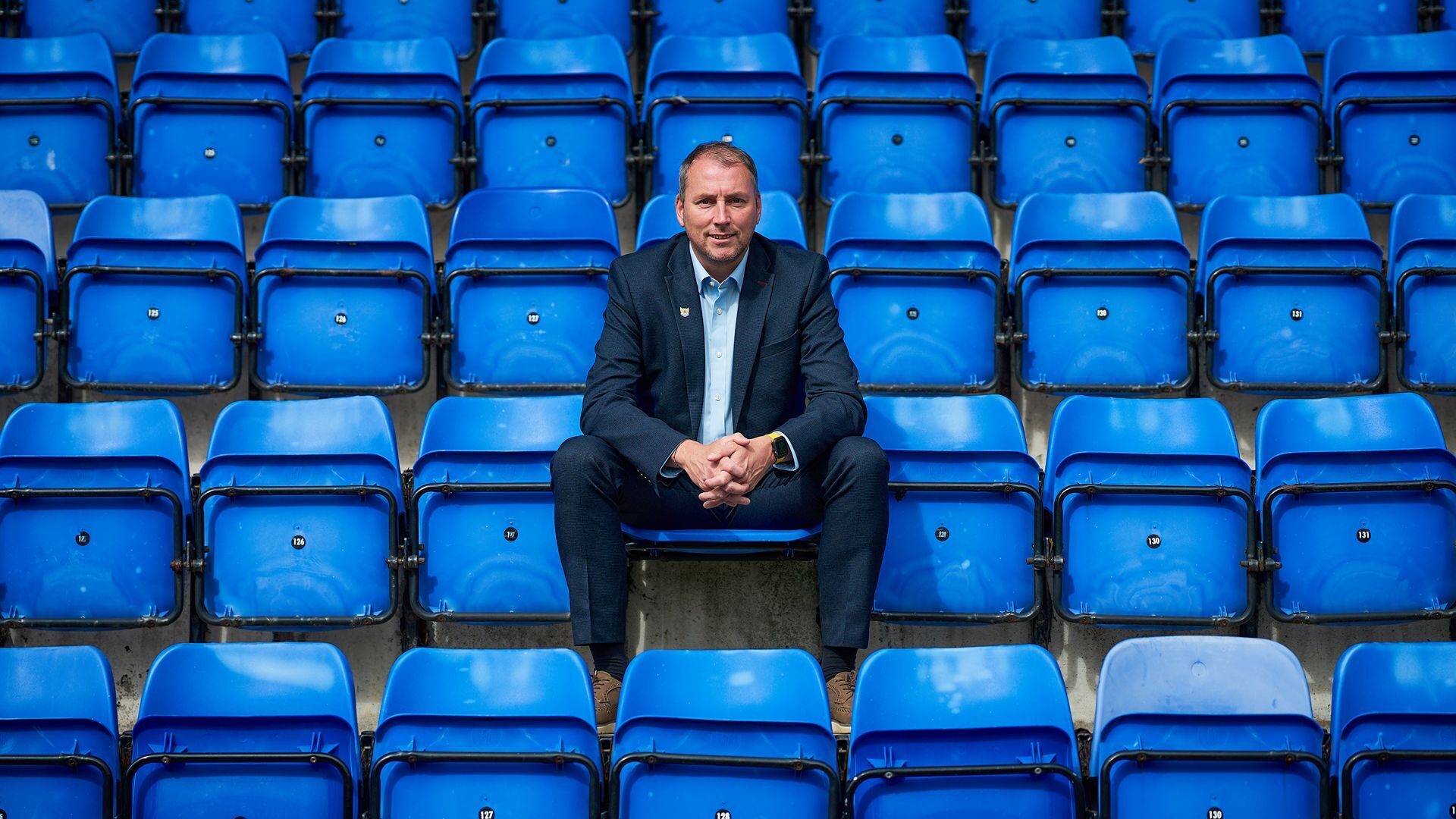
As St Johnstone settles back into life in the Scottish Premiership, CEO Francis Smith talks about why the club's ambitions now extend well beyond the touchline.
For generations, St Johnstone F.C. – or Saints as the team is affectionately known in the local area – has been part of the identity of Perth. Matchdays at McDiarmid Park have long brought people together, creating memories and instilling a deep sense of local pride.
Following their recent Scottish Championship title win, and an immediate return to the Premiership for the 2026/27 season, McDiarmid Park is back on Scottish football's top table, bringing renewed attention and footfall to the team, and the city.
In addition to their win, a new ownership era focused on sustainability, commercial growth and community connection, means the club is working hard to position itself as a driver of investment, economic confidence and visitor growth.
We sat down with CEO, Francis Smith, to discuss the club's wider ambitions, the economic impact of football and why he believes St Johnstone's future is closely tied to the future of Perth itself.
Q: St Johnstone has always meant a great deal to Perth, but how would you describe the club's role economically and socially?
Francis Smith: "I think for me what's important is our pillars of 'One Club, One City, One Community'. We are the only full-time professional club in the leagues here and last year we brought over 60,000 away supporters into Perth through attendances alone. Now, with our return to the Premiership, we could easily see over 75,000 visiting supporters coming into the city annually.
"That's not including home supporters travelling back into Perth. Even if those visitors are spending modestly when they arrive, in shops, pubs, restaurants or transport, that money is going back into the Perth economy.
"The journey of the fan starts when they arrive at the train station. They come into Perth, they spend money in the city centre, they use transport links, they go for food and drinks before the game and often afterwards as well.
"That's where I think the club's economic value can grow even more; by working together to connect the football club with the wider city experience."
Q: The club has also invested directly in Perth city centre. What's the thinking behind that?
"For us, it's about showing confidence in the city. The club owner, Adam Webb, has invested in properties including the old Blackadders building, which we're converting into player accommodation, and the old Tolbooth building.
"At the moment the club rents properties across Perth for players, but by bringing accommodation together we can manage it more effectively while also freeing up housing stock elsewhere in the city.
"The Blackadders development will eventually provide around 15 rooms and when players aren't there during the summer months, the accommodation can also be used for short-term visitor stays.
"There's discussion around hospitality opportunities too; potentially a wine bar, restaurant or other community-focused use within the buildings. Really, we're trying to create something that contributes to Perth more widely, not just the football club."
Q: How important has the High Street presence and wider community engagement become?
"It was important to Adam from the beginning that the club had a town centre presence and we've delivered that with our High Street Visitor Centre. The visitor centre has become much more than a retail space. People come in to learn about the history of the club, but it's also become a bit of a community hub.
"You've got regulars dropping in for a chat, community groups using the upstairs space and Saints in the Community delivering sessions there as well.
"That social connection is hugely important. I mentioned the emotional connection between football supporters and their club, and that goes beyond something purely transactional. People want to support businesses and organisations that support the club because they feel connected to it."
Q: Looking ahead, what does successful investment look like for St Johnstone and for Perth?
"For me, success is about connection. If the football club succeeds, that helps the city. But equally, if Perth succeeds, that helps the football club.
"Football brings people together. It brings visitors into the city, creates jobs, supports businesses and gives people a sense of pride and belonging.
"We had someone recently come into the stadium simply because they needed somewhere that felt safe and familiar to sit for a while. That tells you football clubs are about much more than what happens on the pitch.
"We want St Johnstone to be part of Perth's future, economically, socially and as part of the city's wider identity."